Guide on Keyword Mapping To Improve Your SEO

Keyword mapping is the process of assigning specific keywords to individual pages or sections of your website in order to improve the zyra inst search engine optimization (SEO) of your site. It helps search engines understand the relevance of different pages to specific keywords or phrases, ultimately leading to higher rankings in search engine results.

By mapping keywords to specific pages or sections, you can ensure that your content is well-optimized for the specific terms that you want to rank for. This helps search engines better understand the content on your site and its relevance to users’ search queries.

Keyword mapping can be particularly important for larger websites that have multiple pages targeting similar topics or keywords. By mapping keywords to individual pages, you can avoid competing with yourself and ensure that each page is well-optimized for its specific focus.

Keyword Mapping For SEO

keyword mapping is an essential component of SEO. By taking the time to map out your keywords and assign them to specific pages or sections of your site, you can improve the relevance and ranking of your content, ultimately leading to more traffic and better visibility online. Before diving into keyword mapping, it’s crucial to conduct thorough keyword research. Keyword research helps you understand what your audience is searching for and allows you to identify high volume, low competition keywords relevant to your business or website.Keyword Mapping For SEO

 Tips for conducting effective keyword research:

  1. Start with general keywords related to your industry or niche. Use tools like Google Keyword Planner and Ahref to identify related terms, their search volume, and competition level.
  1. Analyze your competitors’ websites and check out the keywords they are targeting. This will give you ideas for potential keywords you can target as well.
  1. Look for long-tail keywords that have low competition but high relevancy to your business or website. Long-tail keywords are longer phrases that are more specific, and typically have less competition than shorter, broader keywords.
  1. Use keyword research tools to analyze the search intent behind different phrases. This helps you understand what users are searching for and tailor your content to match their intent.

Once you have conducted keyword research, it’s time to map those keywords to specific pages on your website. Think about the main topics or themes of each page, and assign relevant keywords accordingly. Avoid targeting the same keyword for multiple pages, as this can lead to confusion for search engines and negatively impact your rankings.

Brainstorming Your Keyword Strategy

Keyword mapping can be a daunting task, but it is a crucial step in optimizing your website for search engines. If you haven’t already, it’s important to conduct thorough keyword research to identify relevant, high-volume keywords for your website. Once you have your list of keywords, it’s time to brainstorm how to map them to specific pages on your website.

Here are some tips for brainstorming your keyword strategy:

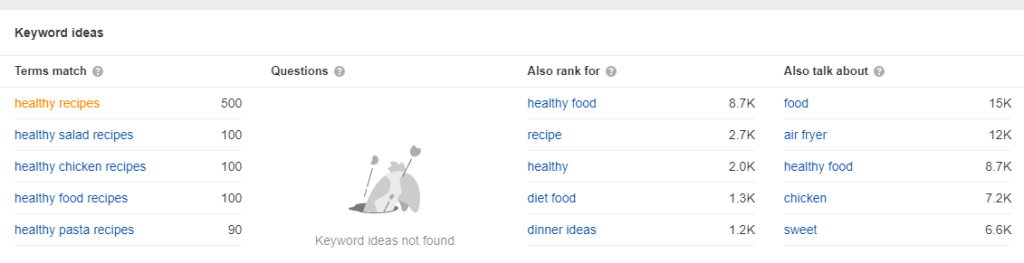
  1. Start with your website’s structure. Consider the main topics or themes of each page and group keywords together accordingly. For example, if you have a page about “Healthy Recipes,” your group of keywords might include “healthy meals,” “low-fat cooking,” and “nutritious recipes.”Keyword mapping list
  1. Think about your target audience. What are they searching for? What questions do they have? Tailor your keyword strategy to meet the needs of your audience and provide answers to their questions.
  1. Use modifiers to refine your keyword list. Modifiers are words that can be added to your keywords to make them more specific and relevant. For example, adding “best” or “top-rated” to a keyword can help narrow your focus and target specific types of content.
  1. Don’t forget about long-tail keywords. These longer, more specific phrases can be easier to rank for and can help bring qualified traffic to your website. Make sure to include a mix of both short and long-tail keywords in your strategy.
  1. Review and refine your strategy regularly. As your website and audience evolve, so should your keyword strategy. Keep track of which keywords are working well and which ones need improvement, and adjust your mapping accordingly.

By taking the time to brainstorm your keyword strategy and map your keywords to specific pages, you can boost your website’s relevance and visibility in search engines. With a solid keyword mapping strategy in place, you’ll be well on your way to better rankings and increased traffic to your site.

Developing Your Keyword Map

Once you have brainstormed your keyword strategy, it’s time to develop your keyword map. This not only helps search engines understand the content of your website but also helps visitors easily navigate to the pages they are looking for.

The process of developing your keyword map:

  1. Start by creating a spreadsheet or document to organize your keywords and assigned pages. Make a column for each page on your website and assign relevant keywords to each page.
  1. Use your primary keywords for the main pages on your website, such as your homepage and main product or service pages. Use secondary keywords for subpages and blog posts.
  1. Assign multiple keywords to each page based on the content and structure of the page. Use a mix of short-tail and long-tail keywords, as well as relevant modifiers.Keyword Mapping
  1. Ensure that each keyword is assigned to only one page on your website. This helps avoid keyword cannibalization, where multiple pages compete for the same keyword, confusing search engines and visitors alike.
  1. Review your keyword map regularly to ensure it remains relevant and effective. Update keywords as needed and adjust your mapping to reflect changes in your website or audience.

Using Your Keyword Map to Boost Your Rankings

Now that you have developed your keyword map, it’s time to put it to use to improve your website’s rankings on search engines. Here are some steps to follow:

  1. Assign your primary keyword(s) to the page’s title, URL, and meta description. This will signal to search engines that the page is relevant to those keywords.
  1. Use your assigned keywords throughout the content of your page, but avoid overusing them. Keyword stuffing can actually harm your rankings, so make sure to use them naturally and incorporate variations or synonyms.
  1. Use header tags (H1, H2, etc.) to structure your content and include your keywords in these headings.
  1. Use internal linking to connect related pages on your website and use keywords in the anchor text of these links.
  1. Regularly monitor and update your keyword map as needed to ensure it remains relevant and effective.

Final words

By implementing these steps, you can create a successful SEO strategy that boosts your website’s rankings and attracts more traffic from search engines. Remember that SEO is a long-term strategy, and success requires dedication and patience. But with a well-organized keyword map and a solid action plan, you can achieve your goals and see the results you want.

A Complete Guide to Keyword Mapping – What is It and How to Do It

Keyword mapping is an essential part of any successful digital marketing strategy. It involves identifying and categorizing keywords or phrases that are relevant to your business and its goals. Keyword mapping also helps you determine which keywords to prioritize based on their search volume, competition, and relevance to your target audience. In this way, keyword mapping provides a roadmap for your online marketing efforts and helps you stay ahead of the competition.

In this article, we’ll help you through developing a keyword strategy and put it into practice so that search engines will find your pages to be relevant.

What is Keyword Mapping?

A Complete Guide to Keyword Mapping - What is It and How to Do It

The practice of allocating a keyword to each page is known as keyword mapping. To establish a topical website structure, pages, and keywords are also placed in collections of keyword clusters.

Search engines like Google focus their rankings on particular URLs, and to rank, each URL must be relevant and customized for the target keywords.

The objective of the keyword map is to generate an understandable site structure that will aid in content planning, internal linking, on-page SEO, tracking, and analyzing the performance of your pages.

Benefits of Keyword Mapping

The following are some benefits of keyword mapping for SEO:

  • Creates intuitive site structure: You can structure and organize the material on your website more effectively by using keyword mapping.
  • Improves internal linking: Based on how they are topically related to one another, keyword mapping can assist you to determine which sites should be logically interlinked together.
  • Planning for content: A keyword map offers a broad outline for the content of your website and its particular pages. You can easily determine what kind of material you should be focusing on, avoid creating duplicate content, and avoid keyword cannibalization on your website with a clear overview of your site structure.
  • Easier tracking, managing, and reporting: Tracking all significant search terms for which you want your site to rank is made easier with the aid of keyword mapping. When the relevant sections of your website have relevant keywords that have been carefully chosen and assigned to them, it is much easier to understand how well your content is performing for those searches.

How to do Keyword Mapping?

If you understand the concept, keyword mapping is easy to execute, although research and implementation do require some effort. Follow the guide described below to make create an effective Keyword Mapping.

Start with Keyword Research

The first essential component in keyword mapping is keyword research. You must identify your primary seed keyword, which is the one you want your website to rank for, to generate the keyword map. You probably have a similar to what your seed keyword is if you currently have a website or are familiar with your niche.

A Complete Guide to Keyword Mapping - What is It and How to Do It

As soon as you have your seed keywords, you can use tools to locate more related and suggested keywords that you want to rank for and incorporate them into your keyword mapping.

Once you have a list of suggested keywords, you may use the filter to eliminate any terms with extremely low search volume. Don’t forget to look at the keywords that your competitors are using. Based on your entire keyword strategy, prioritize keywords.

Organize the Keywords

Organize the Keywords

After creating your keyword list, it’s time to begin arranging them. Start by classifying words according to the purpose of the search. You want to put together a group of words that all respond to the same query.

Choose one of them to serve as your primary keyword, and use the rest as supplementary keywords. By using these categories, you can organize your website and give users and search engine spiders a logical path to follow. Shootingstxr124Free sandra bullock nude

Don’t overlook variants as you organize your keywords. It would be wise to consider possible page URLs at this time. Especially, your primary keyword will be in your URL. The inclusion of keywords in the web address aids readers in understanding the content of the website, even though this only has a little impact on your search ranking.

Map your Keywords

It’s time to begin creating your keyword map. Start by logically describing the organization of your website. Create a subdirectory with distinct pages after that. To keep everything organized, many people find it best to make a spreadsheet with several columns.

Create your page title, meta description, header tags, and other elements using the main keyword for the page.

In another column, provide the auxiliary and secondary keywords. If you’re trying to optimize an existing site, you should probably include columns for the title, H1 tags, and other elements, along with suggested or updated versions, next to them.

If you find this useful, you can also provide remarks regarding the body copy, word count, and graphics. Make sure each page of this spreadsheet is distinct from the others when you’ve finished filling it out. Each set of keywords for a particular page should be exact duplicates of one another in terms of topic. Sometimes it is difficult to tell whether two or more keywords are referring to the same precise subject.

Optimize the On-Page Content

You may probably run into a few problems while making your keyword map that need to be fixed.

This might involve:

  • Missing content or content that is not relevant
  • Potentially damaging technical difficulties for your ranking
  • Opportunities for linking internally
  • Similar queries are addressed by multiple pages

Update the Map Regularly

 keyword mapping

The creation of a keyword map and the optimization of pages following its layout are just the first steps; you also need to keep your keyword map updated frequently and monitor its progress over time.

Since keywords and their patterns evolve, your keyword map should too. This is why it’s crucial to periodically review your keyword map, conduct further keyword research, look for fresh search terms, and keep a watch on the competition.

Many tools are available to assist you to keep track of how your pages are performing concerning the keywords from your map.

Conclusion

In conclusion, keyword mapping is an essential practice for any website or content strategy. By identifying and analyzing relevant keywords, businesses can optimize their website for search engines and improve their overall online presence. Keyword mapping allows for a more targeted approach to content creation, ensuring that each piece of content is optimized for specific keywords and phrases.

This not only improves search engine rankings but also helps to attract more qualified traffic to a website. Overall, investing time and resources into keyword mapping can have a significant impact on a business’s online success.

Keyword Mapping – Complete Guide

Keyword research is one of the vital things in SEO. The keywords filled in the blog or article make the content match the search queries placed in the search engine. One method of planning that makes it simpler to find particular keywords within your niche and decide where to place them on your website is keyword mapping. So, let’s talk about keyword mapping and how to do it in this blog.

What is Keyword Mapping?

The planning and study of the keywords and long-tail phrases used on a website is known as keyword mapping. It is a crucial step in creating content because it makes it simpler to choose the areas where semantic SEO keywords should be placed together in a way that makes the most sense.

What is Keyword Mapping?

Additionally, keyword mapping can help your team to develop topics more effectively by assisting them in recalling which terms are used in which parts of your page. One specific keyword for the main subject of the page and several additional keywords are typically included in keyword maps.

The page title, meta description, and an overview of what the page should contain and the topics covered in most articles. Although there isn’t a specific structure for creating a keyword map, most digital marketers maintain a spreadsheet with this information and consult it as needed while to create content.

Why is Keyword Mapping Important?

Keyword mapping is essential for several reasons:

  1. It helps search engines understand your site’s content and rank it appropriately for relevant search queries.
  2. It helps enables you to organise your site’s content and structure in a way that makes sense to both search engines and users.
  3. It allows you to identify gaps in your content and areas where you may need to create new content to target specific keywords.

Benefits of Keyword Mapping

Benefits of Keyword Mapping

You can’t just create any old blog post or article and expect it to instantly drive tonnes of organic traffic to your website regarding content. Instead, you must develop a plan and organisational framework that suit your requirements.

The following are some of the main advantages of keyword mapping:

It Maintains Your Keyword Organisation

The importance of keyword mapping to the content creation process is undoubtedly clear by now. It not only enables you to organise the different keywords according to which ones are main and supporting, but it also prevents you from repeatedly referencing the same topic or same keyword.

It can be used to avoid duplicate contents

When you have a keyword map, everyone on your team is aware of where particular subjects belong based on the coordinating keywords. Additionally, this prevents you from writing articles about the same topic or competing with one another for the same spot in the SERPs, a practice known as keyword cannibalisation.

How to Do Keyword Mapping?

How to Do Keyword Mapping

Although it sounds complicated, keyword mapping is relatively easy.

Adding it to your workflow initially requires a little bit of extra effort. However, having access to all your content creation information in one place allows you to save time in the long run, which is unquestionably a benefit. So, let’s see how to do it effectively.

Create a Spreadsheet

Setting up your spreadsheet document is the first real stage of creating an effective keyword map.

Depending on your preferences, this can be Excel or Google Docs, but if you plan to collaborate with team members, we suggest google sheets because, with that, it can be easy to edit the content with the whole team.

Conduct Keyword Research

It’s time to start your keyword research now. It’s up to you how to go about it, but be sure to consider factors like overall search traffic and keyword difficulty.

Conduct Keyword Research

Create a second spreadsheet document or page in your current keyword map to group these things together. Next, choose which subjects are sufficiently related to and which are being placed on the same page. Depending on what makes the most sense, these can be different spellings of the same query or phrase, queries that support the same perspective for your niche, or any other combination of these.

Gather them all together before continuing to the next step of keyword mapping.

Map Out Your Contents

Finally, mapping out your keywords should be done at this point.

Make a decision regarding which keywords belong on which pages and submit them to the initial keyword mapping spreadsheet. Choose a primary keyword to create your page title, meta description, H1 tag, and other components.

Complete the fields on each sheet, making an effort to make each one distinct from the others in the outline. You can also take note of related sites for internal linking if you like.

When assigning keywords to pages, keep the following best practices in mind:

Use primary keywords: Assign your primary keywords to the most relevant pages for those keywords. These are the keywords that you want your page to rank highest for in search results.

Use secondary keywords: Assign secondary keywords to pages that are relevant for those keywords but less important than your primary keywords.

Use long-tail keywords: Assign long-tail keywords to more specific and targeted pages. These keywords are typically longer phrases that have lower search volume but higher conversion rates.

Avoid keyword cannibalisation: Don’t assign the same keyword to multiple pages on your website. This can confuse search engines and then hurt your search rankings.

Assign only relevant keywords: Assign keywords only to pages that are relevant to those keywords. For example, if a keyword doesn’t accurately describe the content on a page, don’t assign it to that page.

Create Content and Publish

Create Content and Publish

Finally, you should start writing the quality content that your keyword map has suggested and optimise the keyword for the content. This involves ensuring that each page’s content is relevant to the assigned keywords and includes those keywords in strategic locations. This is when you’ll start to notice the results of your work and realise how important the entire process is to your success with SEO and organic traffic.

Final Thoughts

Making a keyword map for your content is a fantastic way to stay organised, avoid keyword cannibalisation, and make sure that everyone on your team agrees on what should be on each page of your website. You can save a tonne of time and effort later by spending the additional time now to complete one of these documents. You may also see improved overall SEO results.